
The evolution of casinos tracing the roots of chance and fortune
Historical Origins of Gambling
The roots of gambling can be traced back to ancient civilizations, where the practice of placing bets on outcomes was often linked to rituals and fate. Archaeological evidence suggests that ancient Chinese, Roman, and Greek societies engaged in various forms of chance games, utilizing rudimentary dice made from bones or other materials. These early games provided not just entertainment but also a sense of communal bonding and a glimpse into the unpredictable nature of fortune. As you explore today, you might discover brand new casinos that continue this long-standing tradition in exciting ways.

As societies evolved, so did the concept of gambling, transforming from simple pastimes into more organized forms of betting. The emergence of taverns and public houses in medieval Europe served as venues for games of chance, establishing the foundational elements of what we now recognize as casinos. These establishments became social hubs where individuals congregated to test their luck and share stories of wins and losses.
The Rise of Modern Casinos
The 17th and 18th centuries marked a significant transformation in gambling, particularly in Europe. The establishment of formal gambling houses in cities such as Venice and Monte Carlo introduced a new level of sophistication and regulation. These venues offered a variety of games, attracting the elite and wealthy, thereby elevating gambling to an esteemed activity among the upper classes. This shift also set the stage for the development of more structured games, such as poker and blackjack, which would later dominate casino floors.
With the expansion of colonialism and trade, gambling practices began to spread globally. As casinos transitioned into opulent establishments, they incorporated lavish decor and amenities, creating immersive environments where patrons could indulge not only in games of chance but also in luxurious experiences. This transformation played a crucial role in redefining gambling as an integral part of entertainment culture.
Technological Advancements in Gambling
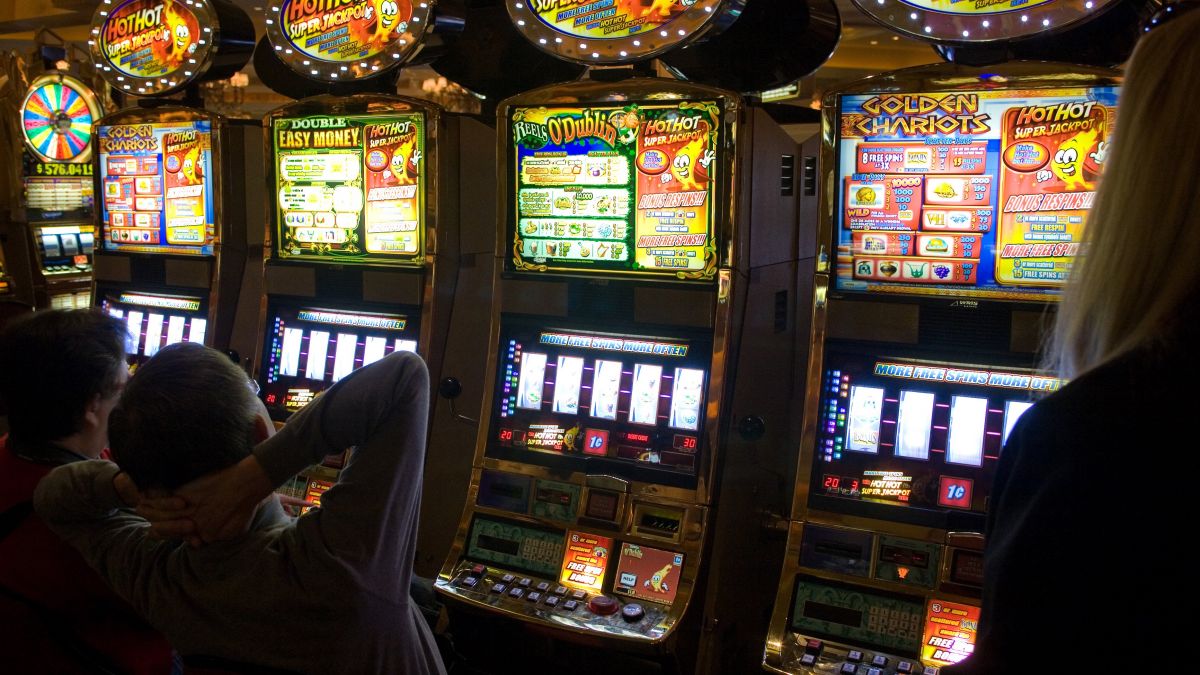
The introduction of technology in the late 20th century revolutionized the gambling industry. The advent of electronic gaming machines and the rise of online casinos expanded accessibility and convenience for players. Innovations such as computerized random number generators ensured fairness and transparency in games, addressing concerns about rigged outcomes. This technology-driven evolution allowed casinos to reach a broader audience, as people could now gamble from the comfort of their homes.
Moreover, the integration of mobile technology has further propelled the industry forward. With smartphones and tablets, players have unprecedented access to a variety of games and betting options at any time and place. This shift has not only transformed how players engage with gambling but also influenced the strategies that casinos employ to attract and retain customers in an increasingly competitive market.
Social Implications and Gambling Addiction Awareness
As the popularity of gambling has surged, so too have concerns about its social implications, particularly regarding addiction. With greater accessibility, a rise in gambling-related issues has prompted discussions about responsible gaming and awareness campaigns. Many casinos now implement measures to promote awareness and provide resources for those struggling with gambling addiction, emphasizing the importance of gambling as a form of entertainment rather than a source of financial strain. Recognizing gambling addiction is crucial for fostering a safer gambling environment.
Efforts to integrate responsible gaming practices include self-exclusion programs, where individuals can voluntarily ban themselves from casinos and online platforms. Furthermore, educational campaigns aim to inform players about the risks associated with gambling, fostering a healthier relationship with chance and fortune. The recognition of gambling addiction as a significant social issue marks a pivotal moment in the evolution of casinos, highlighting the industry’s responsibility to promote safe gaming environments.
Exploring the Future of Casinos
The future of casinos is poised for continued evolution, particularly with advancements in technology and shifts in player behavior. As virtual reality and augmented reality technologies become more sophisticated, they hold the potential to create immersive gambling experiences that transport players to virtual casinos. This innovation could redefine social interactions in gaming and attract a new generation of players looking for engaging, dynamic experiences.
Online casinos, in particular, will likely continue to thrive as they adapt to changing demographics and preferences. The focus will increasingly shift towards personalized experiences, with data analytics driving tailored offerings and promotions. As the landscape of gambling evolves, staying informed about trends and best practices is essential for both players and operators, ensuring a responsible and enjoyable gaming environment for all.